Bioacoustics – Listening to the life of our forests
As part of our ongoing focus on biodiversity, NZ Forest Restoration is piloting an innovative bioacoustics programme, designed to listen to and record the changes in our forest environment.
By recording and identifying bird and bat vocalisations, the bioacoustics pilot project establishes a detailed baseline measure of biodiversity in one of our permanent forests. The initial trial has been completed in Kaitieke Forest, which is part of the Restore Project. The forest was selected due to its strong ecological value, which includes remnant areas of indigenous species, a developing native understory and neighbouring conservation areas.
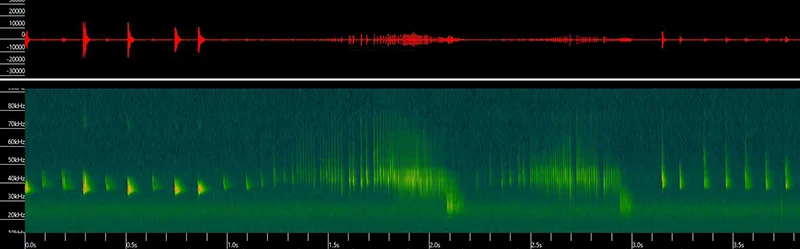
The specialised recording devices used in the pilot, which are programmed to capture both bird calls (on the audible spectrum) and bat echolocation (ultrasonic spectrum), successfully identified several target species, including pekapeka, New Zealand’s endangered native long-tailed bats.
The initial phase of recording, which took place across 135 hectares of forest, establishes a baseline of the forest’s current bird and bat diversity. Over time, this will be used by our ecological team to monitor and demonstrate biodiversity improvements, as NZ Forest Restoration’s active management programme supports the development of a diverse and healthy ecosystem.
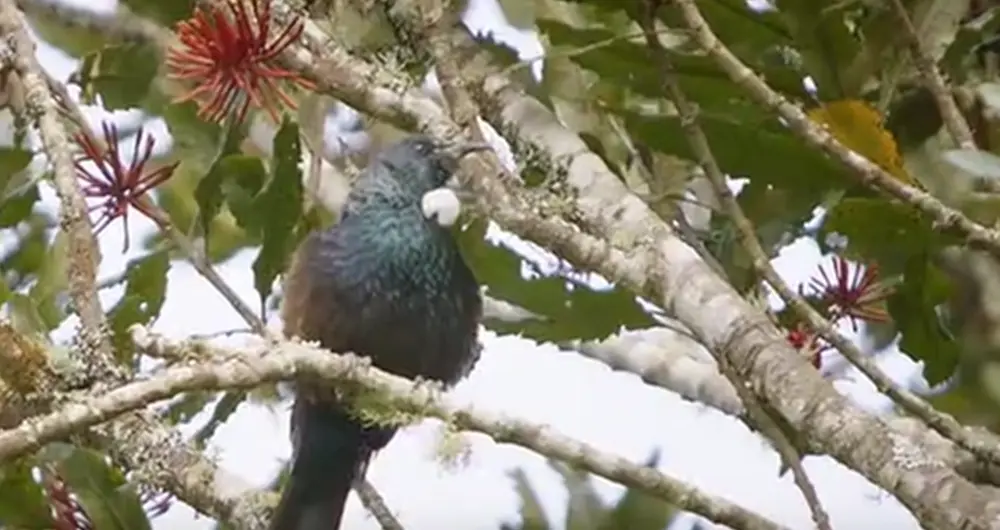
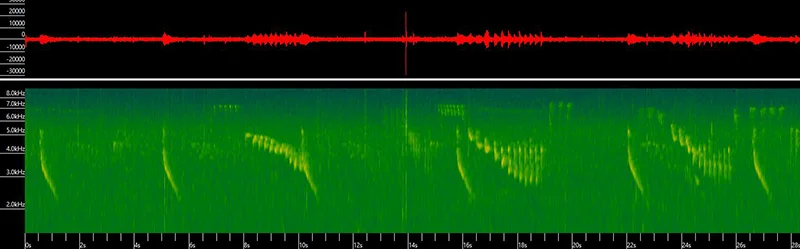
Bird Spectrum & Audio
Bat Spectrum & Audio
Early results of the trial demonstrate that, far from being sterile environments, pine forests are providing a welcoming habitat for many species – including the endangered bats, which were recorded at every site across the sampled area. This reinforces the value of protecting these forests and transitioning them into long-term native environments.
The next stage of the project will provide detailed analysis of the recordings, including the use of specialised bioacoustics AI models. The programme will then be applied across our voluntary carbon projects. This is part of a multi-faceted approach, which includes species monitoring, water quality testing, and eDNA sampling, to recording the expansion of native biodiversity across our permanent regenerating forest estate.